

By Gu Lingyu
A supply chain crisis is brewing as the butterfly effect of the Middle East conflict ripples through global supply chains to the heart of Chinese manufacturing.
Over the past week, chronic traffic congestion has paralyzed Baiguodong Road in Zhangmutou, Dongguan, home to China’s largest spot trading market for bulk plastics. Heavy trucks formed queues stretching hundreds of meters outside warehouses. Some drivers arriving in the morning found themselves still waiting to unload late into the night.
One industry veteran remarked that in 15 years of business, he had never seen such a desperate scramble for goods.
The source of this turmoil is the Middle East conflict. Plastic is a quintessential intermediate product — upstream sits the petroleum industry, while downstream sit the factories producing electronics, automobiles, and home appliances. The recent surge in oil prices caused by U.S.-Iran-Israel tensions have put the entire petrochemical chain under immense pressure.
Prices surge
On March 9, WTI crude briefly touched $119.48 per barrel and Brent reached $119.5, about 78% higher than before the conflict escalated. Chemical markets quickly reacted. China’s main polypropylene futures contract hit its daily limit, closing at 8,034 yuan ($1,170) per ton after rising 454 yuan in a single day, while polyethylene futures climbed 449 yuan to 7,944 yuan per ton.
Spot markets followed. The raw material used to produce plastic bags, LDPE, surged nearly 19% within days and some engineering plastics such as ABS and PC jumped more than 40%.
Global chemical companies also issued price hike notices, including Wanhua Chemical, BASF and subsidiaries of PetroChina and Sinopec. Some manufacturers say they have already received notices of raw material price increases of around 30% and are preparing to negotiate price rises with their own customers
Zhangmutou at the intersection
As China’s largest spot trading hub for plastic resins, Zhangmutou is the barometer of China’s plastics trade. Covering 118 square kilometers, it hosts nearly 8,000 plastics-related businesses and handles over 7.5 million tons of cargo annually, with transaction value exceeding 100 billion yuan.
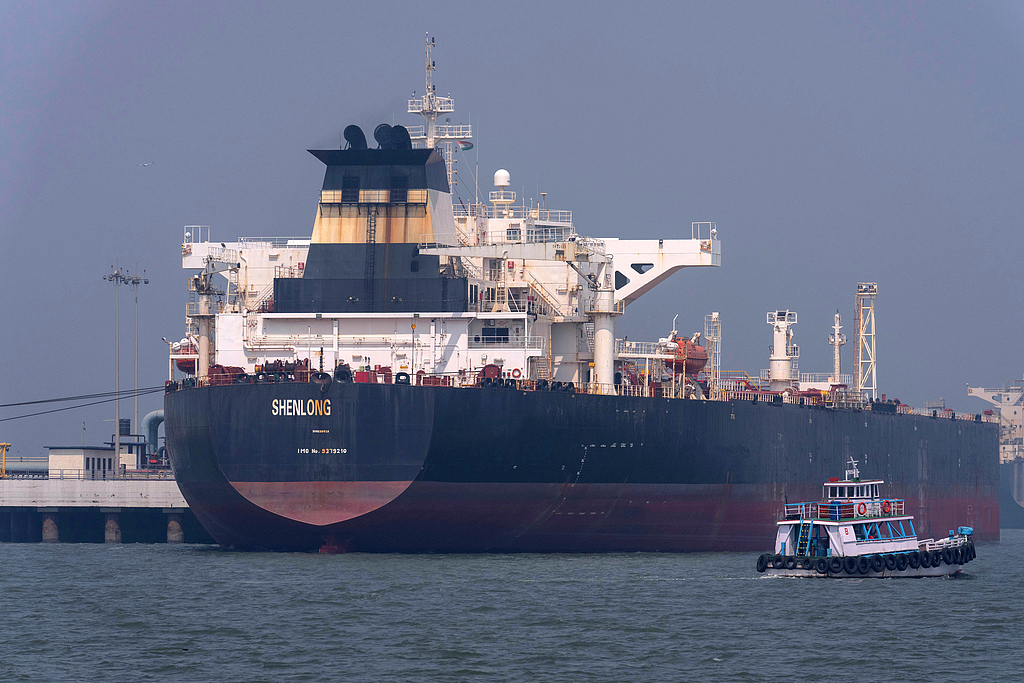
The current gridlock was triggered by the threat to the Strait of Hormuz, a vital chokepoint for global energy shipments. The strait handles about 20% of global oil supply and 27% of seaborne crude trade, more than 80% of which flows to Asia. The petrochemical industry in Asia is also heavily dependent on Middle Eastern naphtha, with more than 60% of its seaborne naphtha imports coming from the region.
Speculation fuels the buying spree
Some South Korean and Indonesian petrochemical giants declared force majeure due to feedstock shortages, leading to panic among domestic traders in Dongguan.
The Dongguan Plastics Industry Association clarified that while prices are volatile, the buying spree is largely driven by speculative hoarding. Traders expecting further price increases have begun stocking up and downstream manufacturers — including electronics, packaging and appliance producers — have also rushed to purchase materials out of concern that costs could spiral out of control.
Yet underlying fundamentals remain relatively stable. China’s chemical industry has been expanding capacity rapidly in recent years and faces significant oversupply. Most of Dongguan’s raw materials come from domestic refineries or non-Iranian sources in the Middle East and Southeast Asia. Therefore, while prices have spiked due to emotional drivers and cost-push factors, there is no substantive supply shortage.
The downstream squeeze
But risks are building. While upstream petrochemical companies such as Sinopec, PetroChina, BASF, and Wanhua Chemical are using the turmoil to push through price increases, downstream manufacturers — facing weak consumer demand and thin margins — are refusing to accept high-priced raw materials.
This is creating a dangerous standoff. While traders are holding large amounts of high-priced inventory, downstream factories are cutting orders due to higher costs. If the bubble bursts or prices suddenly drop, it could trigger a wave of broken capital chains and some trading firms could collapse.
While global headlines suggest oil prices may remain in the triple digits for some time, the manufacturers in Dongguan are left anxious, caught between rising material costs and stagnant market demand.
Source: Tencent Finance
https://mp.weixin.qq.com/s/rW50xkofbpKAc8GZGiTRbw